

Which Manuscript Should we Translate? - Textual Criticism and Bible Translation Today
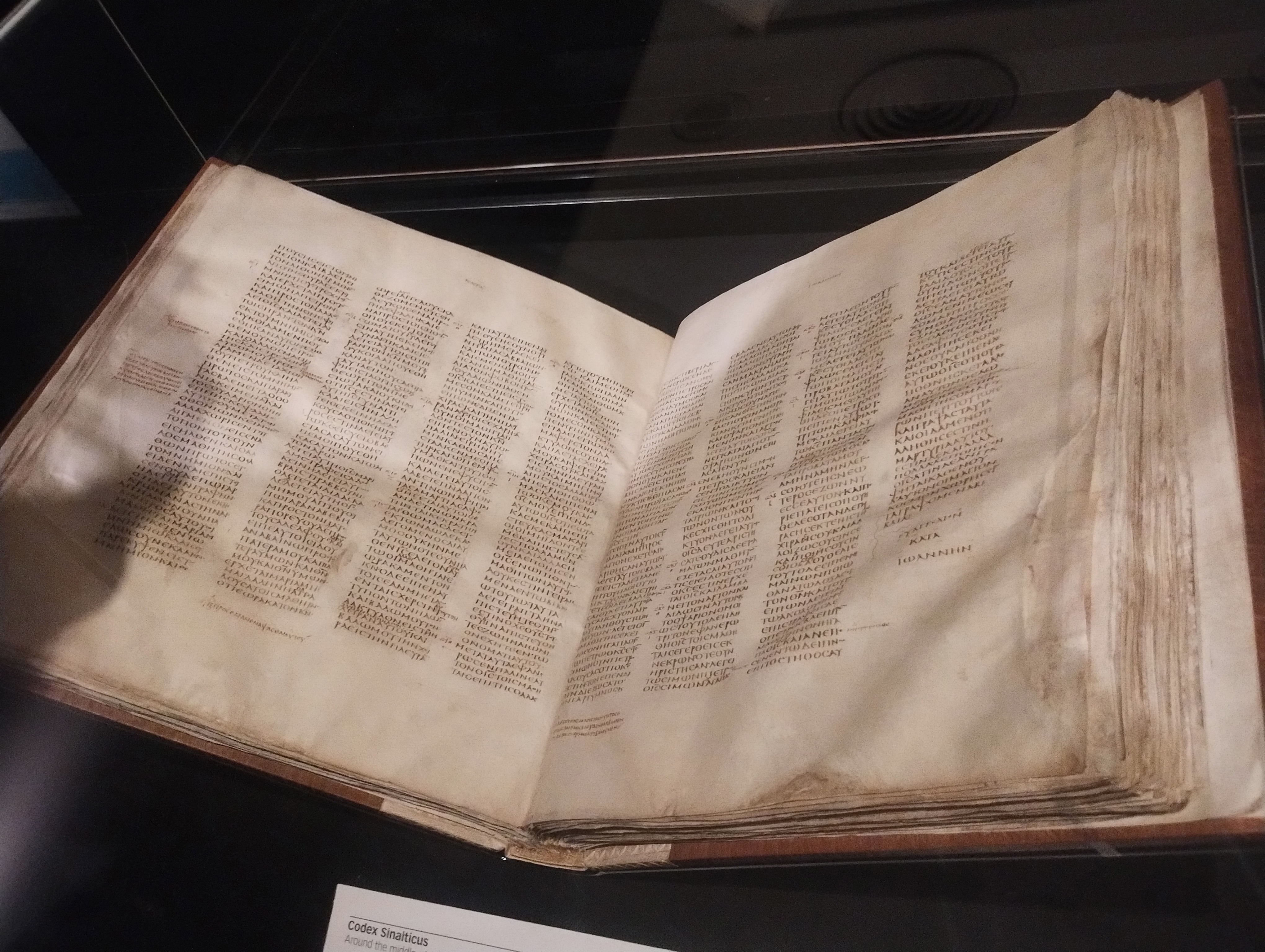
 When translating the New Testament from Greek into the various languages around the world that still need it, translators have to make a decision. Which manuscript are they going to work from? Often, the policy by Bible translation organisations such as SIL, UBS and IBT is to translate from the critical text (the latest UBS or Nestle-Aland version). Modern-day scholarship would support such a decision. The assumption is that the shorter and simpler texts are likely to be the earliest. These are mostly from Alexandria in Egypt. The longer and more complex texts are thought to be later. These are mainly from Asia Minor (modern-day Türkiye).
The problem is that the regional translations used in many parts of the world such as Russia and Central Asia are often based on the Textus Receptus. This is the first Greek text to have been widely published, and was put together by Erasmus and published in 1516, along with a new translation into Latin (it was a diglot Greek-Latin New Testament). The Greek text was based on whatever manuscripts he could get hold of, which were mostly from Asia Minor, that is, they were 'later' manuscripts, according to modern-day scholarship.*
The Textus Receptus often includes whole verses that are 'missing' from the Alexandrian texts, such as Mat 17:21. Here is Mat 17:21 in the NIV:
20 He replied, “Because you have so little faith. Truly I tell you, if you have faith as small as a mustard seed, you can say to this mountain, ‘Move from here to there,’ and it will move. Nothing will be impossible for you.” [21] [a] 22 When they came together in Galilee, he said to them, “The Son of Man is going to be delivered into the hands of men. 23 They will kill him, and on the third day he will be raised to life.” And the disciples were filled with grief.
[a] Some manuscripts include here words similar to Mark 9:29.
The King James Version, which is based on the Textus Receptus, includes Matthew 17:21.
20 And Jesus said unto them, Because of your unbelief: for verily I say unto you, If ye have faith as a grain of mustard seed, ye shall say unto this mountain, Remove hence to yonder place; and it shall remove; and nothing shall be impossible unto you. 21 Howbeit this kind goeth not out but by prayer and fasting. 22 And while they abode in Galilee, Jesus said unto them, The Son of man shall be betrayed into the hands of men: 23 And they shall kill him, and the third day he shall be raised again. And they were exceeding sorry.
When people in Russia, Central Asia, and other places where the regionally accepted Bible is based on the Textus Receptus read a translation based on the critical text, they are understandably upset to see that there are verses missing from the Bible.
Therefore, it seems to me that it would be much better to base our translations on the Textus Receptus in those parts of the world. It would avoid a lot of discussions with local pastors about which translation is more reliable (the accepted regional translation, such as the Russian Synodal, or translations into local languages based on the critical text). This would increase the perceived reliability and acceptability of translations into local languages carried out by SIL, UBS and IBT.
*There were some verses missing from the Greek manuscripts he used, notably in Revelation chapter 22. He solved this problem by translating them from Latin (the Vulgate) into Greek, thereby creating one translation error in Rev 22:19 (see link below for more information on this). Rev 22:19
Picture © 2025 David Gray, Codex Sinaiticus (in the British Library)
0 comments
Sign in to join the conversation.